
"Bolivia coffee altitude"
600 article(s) found

Introduction to the characteristics of producing areas in the description of planting environment and flavor of coffee in Bolivia
Bolivia is 1/3 of the Andean mountains, rugged terrain, mainly road transport, accounting for more than 85% of transportation. The main railway and road networks are concentrated in the west, and remote areas rely on air communication. But road coverage is the lowest in South America. And there is also the Ronggas Highway, the world's first insurance road known as the road to death. There is no developed economy here. It is the poorest in South America.

Bolivian snow vein manor coffee grinding treatment variety price production area taste introduction
Lake Titicaca Copacabana Country: Bolivia Altitude: 3812m Origin: Lake Titicaca Roast: Medium Roast Treatment: Washed Variety: Iron PickerProducer: Copacabana Smallholder Flavor: Roasted Nuts with Dry Aroma of Almonds, Orange, White Pomelo Lake Titicaca is located on the Coyao Plateau at the border between Bolivia and Peru.

Bolivia Coffee How to taste Growing environment Producing area Price Flavor Description Introduction
Arabica coffee cannot be grown at altitudes higher than 2000 meters, and if the altitude is too high, the coffee trees will freeze due to the low temperature. Bolivian coffee is mainly grown in the Yungas region northeast of La Paz. Bordering the Amazon River basin, it is about 1500-2500 meters above sea level and has an average annual temperature of about 10-15 ° C. Therefore, coffee growth is guaranteed.

Introduction to boutique coffee with obvious rich flavor and taste characteristics of Bolivian coffee manor
In 1863, rich saltpetre deposits were discovered in Atacama province along the Pacific coast. In 1879, Chile sent troops to occupy the mining area, and Bolivia joined forces with Peru to wage the Pacific War with Chile. Bolivia was defeated in 1883 and ceded the saltpeter-rich Pacific coast to Chile in 1904. Bolivia lost its only coastal province, including the important port of Antofagasta, from

A country of mountains. Bolivian coffee growing area in La Paz
Bolivia is described as a country of mountains, southeast of Peru. La Paz is 3660 meters above sea level. Coffee cann't grow in this cold. But YUNGAS, northeast of La Paz, borders the Amazon basin. The altitude is slightly lower. About 1500-2500 meters. The average annual temperature is about 10-15 degrees and there is no frost damage in winter. Fertile soil is characteristic of Bolivia's main coffee-producing area

Bolivian snow vein manor single bean species, brand recommendation and manor introduction
Professional baristas exchange please follow the coffee workshop (Wechat official account cafe_style) Bolivian snow vein manor single bean species, brand recommendation and manor introduction: 800-2300 m (2600-7600 ft) harvest: July to November SANTA CRUZ is located in the easternmost part of Bolivia, generally lack of high-quality coffee at altitude. Some coffee is produced in lchilo

Bolivian coffee taste and flavor characteristics of Bolivian coffee
The exchange of professional baristas please pay attention to the coffee workshop (Wechat official account cafe_style) varieties: iron card producer: Cabana small farmer flavor: roasted nuts and almonds, oranges and pomelos are rich in coffee beans in South America, and Bolivia is no exception. The unique tropical rain forest environment in parts of Bolivia provides excellent natural conditions for the growth of organic coffee.

Introduction to the characteristics of coffee flavor and taste of Bolivian snow vein manor with rich sour taste
It formed a federation with Peru in 1836 and collapsed as a result of the Chilean invasion in 1839. In 1863, rich saltpetre deposits were discovered in Atacama province along the Pacific coast. In 1879, Chile sent troops to occupy the mining area, and Bolivia joined forces with Peru to wage the Pacific War with Chile. Bolivia was defeated in 1883 and ceded the saltpeter-rich Pacific coast to Chile, Bolivia in 1904.
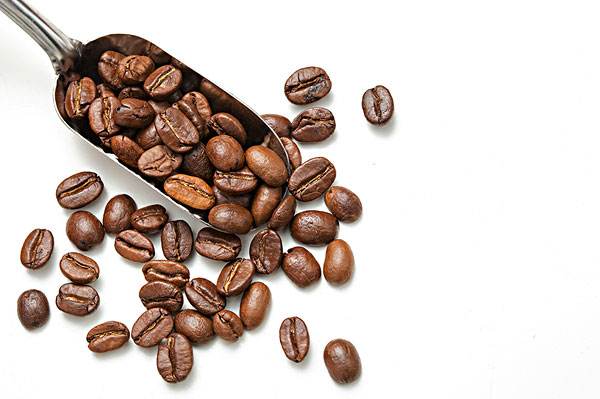
An introduction to the flavor of Bolivian coffee beans in South America
Following caf é (Wechat official account vdailycom) found that Beautiful Caf é opened a small shop rich in coffee beans in South America, and Bolivia is no exception. The unique rainforest environment in some parts of Bolivia provides excellent natural conditions for the growth of organic coffee. The aroma of Bolivian coffee is rich and unique, whether it is the aroma of ground beans or made.

Introduction to Bolivian Coffee Manor, producing area of Alpine country Coffee
This is the description of Bolivian coffee; Bolivia, located on the southeast side of Peru, is. La Paz (capital) is 3660 meters above sea level. Coffee cannot be grown in such a cold place. But YUNGAS, northeast of La Paz, borders the Amazon basin. The altitude is a little lower. About 1500-2500 meters. The average annual temperature is about 10-15 degrees without frost damage in winter. The fertile soil is characteristic of the main coffee producing areas in Bolivia. America

The taste of Bolivian coffee with a bitter taste an introduction to the characteristics of fine coffee in the manor area.
In 1863, rich saltpetre deposits were discovered in Atacama province along the Pacific coast. In 1879, Chile sent troops to occupy the mining area, and Bolivia joined forces with Peru to wage the Pacific War with Chile. Bolivia was defeated in 1883 and ceded the saltpeter-rich Pacific coast to Chile in 1904. Bolivia lost its only coastal province, including the important port of Antofagasta, from

Brief introduction to the treatment method of grinding degree and baking degree of Bolivian coffee with sour fruit
We know that Arabica coffee cannot be grown in cold places above 2000 meters above sea level. if the altitude is too high, coffee trees will frost because the temperature is too low. So Bolivian coffee is mainly grown in the Yungas region northeast of La Paz. It borders the Amazon basin and is about 1500-2500 meters above sea level with an average annual temperature of about 10-15 ℃. Therefore, guarantee

What is the taste and flavor of Bolivian coffee Linda washed with long beans? How do you rush Bolivia?
Professional coffee knowledge exchange more coffee bean information please follow the coffee workshop (Wechat official account cafe_style) Bolivian coffee Linda washed long beans taste and flavor? How to wash beans with Bolivian coffee water before it tastes good? Bolivia is one of the most difficult growing areas in the world, and transportation and climate are the biggest problems. This year, after a special relationship of origin,

Introduction of high-quality coffee with rich and unique aroma in Bolivian coffee manor
In 1932, the Chaco War broke out between Bolivia and Paraguay for oil resources in the North Chaco region. Bolivia was defeated and lost a large area of territory. The people's armed uprising broke out in April 1952, and Paisdensolo, leader of the nationalist revolutionary movement, became president. Since then, there have been frequent military coups and long-term political instability. Modern assets with South American characteristics were restored in October 1983

Does Bolivian coffee taste good? the method of making Bolivian coffee
The exchange of professional baristas please pay attention to the coffee workshop (Wechat official account cafe_style) varieties: iron card producer: Cabana small farmer flavor: roasted nuts and almonds, oranges and pomelos are rich in coffee beans in South America, and Bolivia is no exception. The unique tropical rain forest environment in parts of Bolivia provides excellent natural conditions for the growth of organic coffee.

Bolivian Rosedale Coffee Bolivian Rosedale Coffee Bean Features Dreamy Unicorn
Professional coffee knowledge exchange More coffee bean information Please pay attention to coffee workshop (Weixin Official Accounts cafe_style) Front Street-Bolivia Guixia Coffee Introduction This batch of coffee comes from Don Carlos Manor in Bolivia, seeds come from Emerald Manor in Panama, Guixia is a very unique bean seed, showing amazing characteristics of coffee, such as floral, red berries
Varieties, Taste characteristics and roasting degree of Bolivian Coffee
■ Bolivia is rich in coffee beans in South America, and Bolivia is no exception. The unique tropical rain forest environment in some parts of Bolivia provides excellent natural conditions for the growth of organic coffee. The aroma of Bolivian coffee is rich and unique, whether it is the aroma of ground beans or the aroma of coffee, similar to the mixture of flower and fruit aroma.

Bolivian flavor describes which brand of Bolivian coffee is good.
Professional baristas Please pay attention to the Coffee Workshop (Wechat official account cafe_style) most of the coffee in Bolivia used to be of mediocre quality, but in recent years the production of boutique coffee has developed rapidly and there have been a lot of pretty good beans. In recent years, the COE (Cup of excellence) system, which was first implemented in Brazil, has gradually become popular, and Bolivia has also introduced this system.

Treatment of coffee beans in manors in Bolivian coffee bean producing areas
This is the description of Bolivian coffee; Bolivia, located on the southeast side of Peru, is an alpine country. La Paz (capital) is 3660 meters above sea level. Coffee cannot be grown in such a cold place. But YUNGAS, northeast of La Paz, borders the Amazon basin. The altitude is a little lower. About 1500-2500 meters. The average annual temperature is about 10-15 degrees without frost damage in winter. Fertile soil is a special feature of the main coffee producing areas in Bolivia.

Taste of Bolivian coffee beans introduction to the taste of Bolivian coffee beans
Professional coffee knowledge exchange more coffee bean information please follow the coffee workshop (Wechat official account cafe_style) front street-Bolivian coffee features introduction Bolivia, does not seem to know much about the country's coffee bar! Bolivia is a country in South America, with the high elevations of the Andes, diverse topography, abundant precipitation and mild climate ring.